
Protein Sources for Strong Nails
Explore the complete guide to nutrient-rich foods that support keratin production and promote resilient, healthy nails from the inside out.
Filter by Protein Category
Premium Protein Sources
Chicken Breast
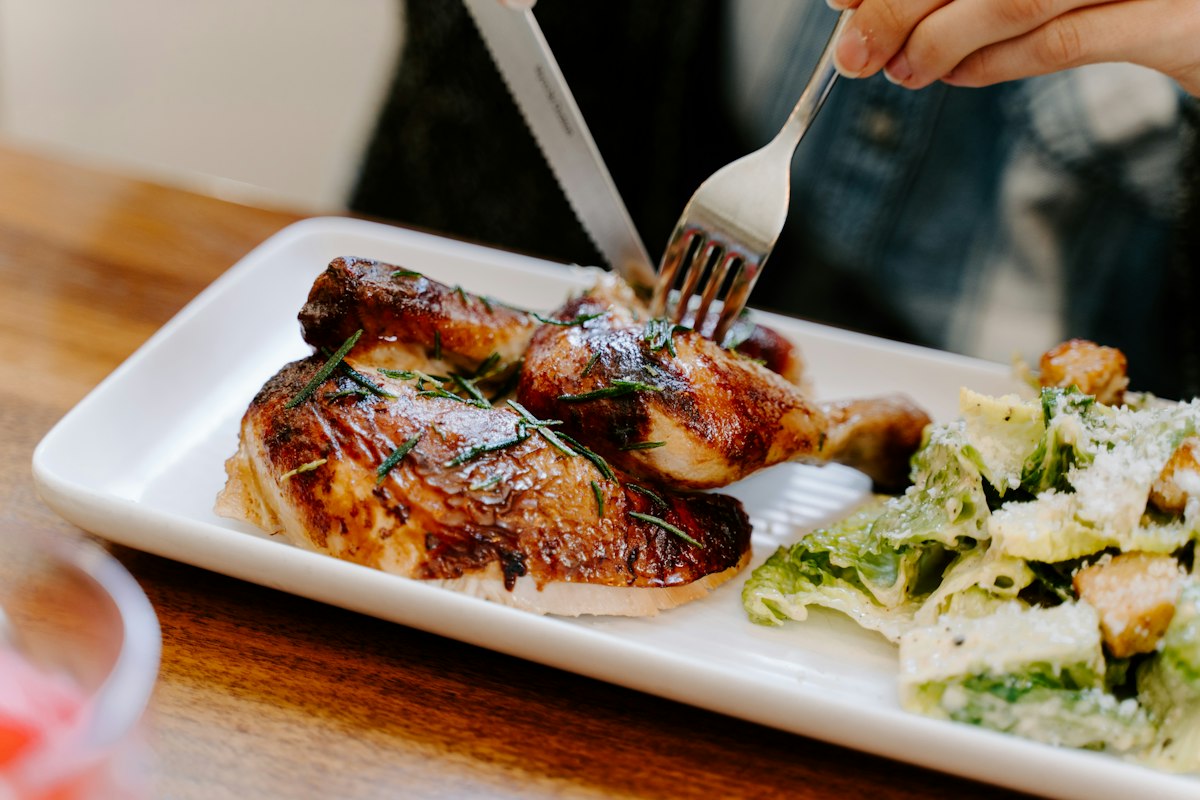
Lean poultry delivers approximately 31 grams of protein per 100 grams. Rich in amino acids essential for keratin synthesis and contains B vitamins that support nail cell renewal. Chicken breast is an accessible, affordable choice for daily nail-supporting nutrition.
Salmon
Fatty fish provides 25 grams of protein per 100 grams alongside omega-3 fatty acids that reduce inflammation and improve nail bed health. Selenium and vitamin D in salmon support immune function and mineral absorption critical for nail strength and integrity.
Eggs
Whole eggs deliver 6 grams of complete protein per egg with all essential amino acids. Biotin and choline content strengthens nail matrix formation and promotes healthy keratin structure. An affordable, universally available source ideal for consistent daily consumption.
Greek Yoghurt
Strained yoghurt contains 10 grams of protein per 100 grams alongside probiotics supporting nutrient absorption. Calcium promotes bone and nail mineralisation, while live cultures enhance digestive health for optimal nutrient uptake and keratin formation.
Lentils
Plant-based legumes provide 25 grams of protein per cooked cup with iron and zinc supporting nail pigmentation and strength. Combined with grains, lentils create complete amino acid profiles ideal for vegetarian diets promoting robust nail growth and resilience.
Almonds
Tree nuts deliver 6 grams of protein per ounce with biotin, magnesium and vitamin E protecting nails from oxidative damage. The complete mineral profile strengthens nail keratin structure while healthy fats enhance nutrient absorption and promote flexible, resilient nails.
Lean Beef
Red meat contains 26 grams of protein per 100 grams with highly bioavailable iron crucial for oxygen transport and nail pigmentation. Zinc and B12 in beef support cell division and keratin metabolism essential for rapid, strong nail growth throughout the growth cycle.
Pumpkin Seeds
Seeds provide 9 grams of protein per ounce alongside magnesium, zinc and copper supporting nail mineralisation. Phytochemicals and trace minerals in pumpkin seeds reduce inflammation and support keratin cross-linking for nails that resist brittleness and breakage.
How Protein Strengthens Nails
Nails are primarily composed of a protein called keratin, which requires a consistent supply of amino acids to maintain structural integrity and flexibility. When dietary protein intake is insufficient, the body prioritises other vital functions, leaving nail matrix cells with fewer resources for robust keratin synthesis. This results in thin, brittle nails prone to splitting and peeling.
Complete proteins containing all nine essential amino acids are particularly important because they provide the building blocks your body cannot produce independently. By consuming varied protein sources throughout the week, you ensure your nail beds receive diverse amino acid profiles that support different aspects of keratin formation and cross-linking.
Beyond protein structure, many protein-rich foods deliver complementary micronutrients like iron, zinc, biotin and B vitamins that work synergistically to enhance nail growth rate, improve pigmentation and increase resistance to environmental damage and mechanical stress.
Combining Proteins for Optimal Nail Health
Animal-Based Strategy
Rotating between chicken, fish, beef and eggs throughout the week provides complete amino acid profiles with high bioavailability. This approach ensures your nail matrix receives diverse micronutrients that animal foods concentrate more densely than plant sources. Aim for 3-4 servings weekly of varied animal proteins for consistent keratin production.
- Daily servings: 25-30 grams from animal sources
- Bioavailability: 90-95% of amino acids absorbed
- Micronutrient density: Iron, B12, zinc naturally present
Plant-Based Strategy
Vegetarian and vegan approaches combine legumes with grains and seeds to create complete amino acid profiles matching animal protein quality. While individual plant proteins may lack certain amino acids, strategic pairing—such as lentils with rice or chickpeas with quinoa—delivers all essential nutrients nail health requires while providing fibre and phytonutrients.
- Complementary pairing: Legumes + grains = complete proteins
- Daily servings: 30-40 grams from varied plant sources
- Absorption tip: Combine with vitamin C for enhanced iron uptake
Nail Health Transformation Journey
Initial Foundation
Begin incorporating varied protein sources into daily meals. Nails start receiving consistent amino acid supply as new cells form in the matrix. Existing brittle nails remain unchanged as transformation occurs beneath the surface.
Visible Changes Begin
New nail growth shows improved thickness and flexibility. Previously damaged nails continue growing out while new keratin-rich growth emerges from the nail matrix. Micronutrient accumulation strengthens the growing edge.
Sustained Strength
Consistent nutrition supports the growth of new, healthier nail tissue that gradually replaces older, more brittle nail. Consistent protein intake maintains resilient, strong nails resistant to breakage. Continued dietary adherence prevents regression.
Frequently Asked Questions
How much protein daily supports nail strength?
The general recommendation is 0.8-1.0 grams of protein per kilogram of body weight daily. For nail health specifically, aim for at least 50-60 grams daily from varied sources. Distribute protein across meals rather than concentrating it at one sitting to optimise amino acid availability throughout the day for consistent keratin synthesis in your nail matrix.
Can supplements replace whole-food protein?
Whole foods provide protein alongside synergistic micronutrients—iron, zinc, biotin and B vitamins—that supplements often lack or provide in isolated forms. While protein powder offers convenience for post-workout recovery, prioritising whole food sources ensures you receive complete nutrient profiles optimising nail health. Supplements work best complementing, not replacing, varied eating patterns.
Why do my nails still break despite adequate protein?
Nail strength requires more than protein alone—biotin, zinc, iron, silica and B vitamins play equally important roles in keratin formation and mineralisation. Additionally, external factors like frequent water exposure, harsh chemicals, aggressive filing and trauma damage even healthy nails. Evaluate your complete diet for micronutrient gaps and protect nails from environmental stressors while building strength from within.
Is vegan protein adequate for nail health?
Yes, plant-based proteins support nail health when thoughtfully combined. Legumes paired with grains, seeds incorporating into daily snacks and nuts providing concentrated micronutrients create complete amino acid profiles. Plant sources often provide fibre enhancing gut health and nutrient absorption. Ensure adequate servings (40+ grams daily) and strategic pairing to achieve nutritional density matching animal protein benefits.
How long until nails strengthen after dietary changes?
Nail growth cycles typically span 3-6 months for fingernails and longer for toenails. Visible improvements usually emerge around week 4-6 as new keratin-rich growth appears from the nail matrix. Complete transformation occurs when damaged older nails fully shed and entirely new growth emerges, typically 3-6 months of consistent protein and micronutrient intake.
Does timing of protein consumption affect nail growth?
Consistent daily protein intake matters more than precise timing since your nail matrix continuously requires amino acids. However, distributing protein across three meals (roughly 20-25 grams each) optimises amino acid availability compared to consuming 60 grams in one sitting. Include protein at breakfast, lunch and dinner to maintain steady keratin synthesis throughout the 24-hour growth cycle.
Reader Experiences
“After rotating between salmon, Greek yoghurt and almonds consistently, my nails transformed from constantly peeling to genuinely resilient within three months. The visible difference in thickness and flexibility amazed me—nails that previously snapped now bend without breaking.
— Sarah, Manchester
“As a vegetarian, I worried my plant-based protein wouldn't sustain healthy nails, but combining lentils with quinoa and adding seeds to salads dramatically strengthened my nails. The key was understanding complementary proteins and ensuring adequate daily servings—my nails have never looked better.
— James, Bristol
“Incorporating more chicken and eggs during my fitness routine not only supported muscle growth but unexpectedly strengthened my nails dramatically. I finally understood why nail health requires consistent protein availability—the amino acids feed the very cells forming your nail structure.
— Michael, Leeds
Discover More About Nail Nutrition
Explore our complete guide covering micronutrients, hydration strategies and lifestyle factors that work alongside protein to build genuinely strong, resilient nails resistant to breakage and environmental damage.